01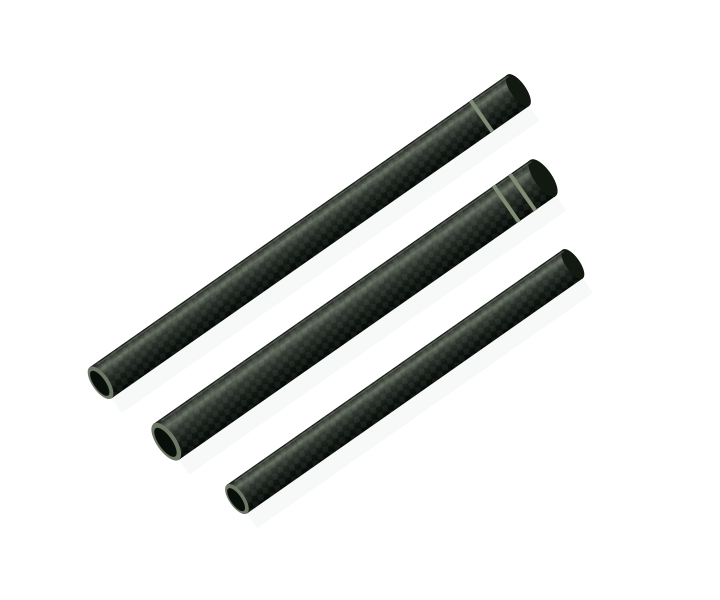 ILLUSTRATION
Cleaning pole components
Carbon fibre sections for cleaning equipment, with dimensions and connections agreed around your assembly.
Sizes & practical guidance ↗Custom poles, tubes, sheets and machined parts. Speak directly with the workshop about what you need—and understand what you’re paying for.
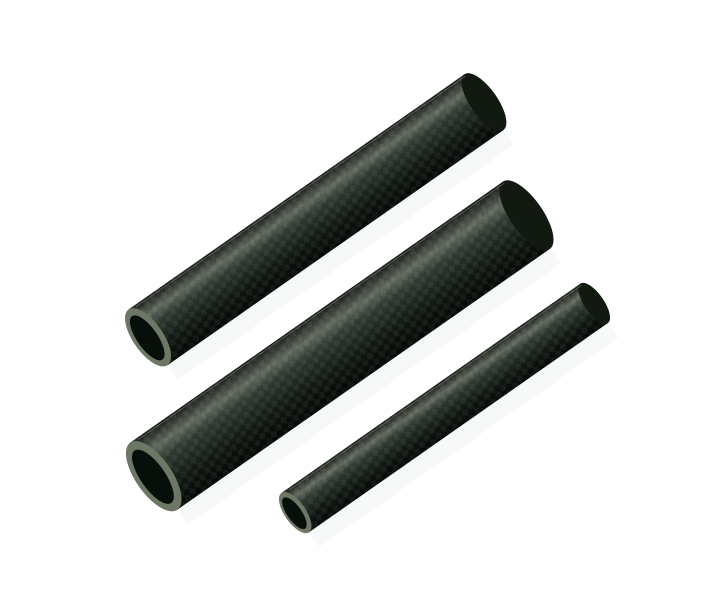
Start with the part you need. We’ll discuss the dimensions, structure and finishing required for your application.
ILLUSTRATIONCarbon fibre sections for cleaning equipment, with dimensions and connections agreed around your assembly.
Sizes & practical guidance ↗ILLUSTRATIONDiscuss diameter, wall thickness, length, fibre orientation and the fit your assembly needs.
Sizes & practical guidance ↗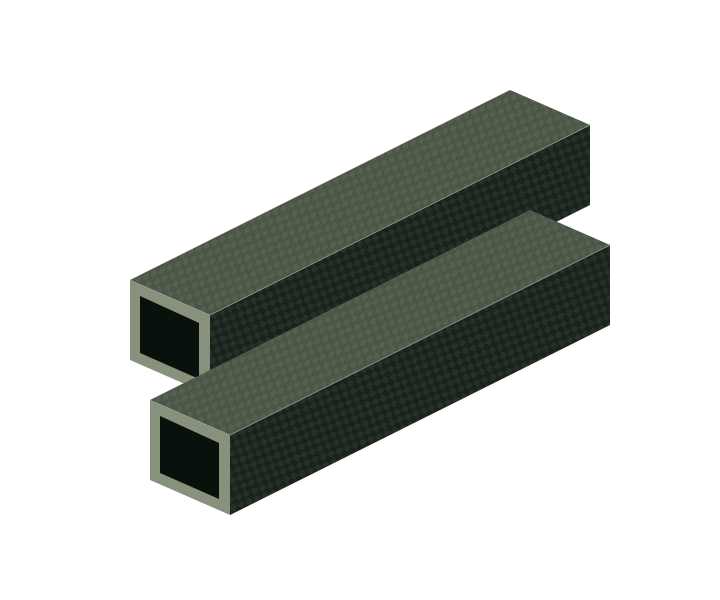 ILLUSTRATION
Custom sections for your design, with attention to corners, mating parts and machined features.
Sizes & practical guidance ↗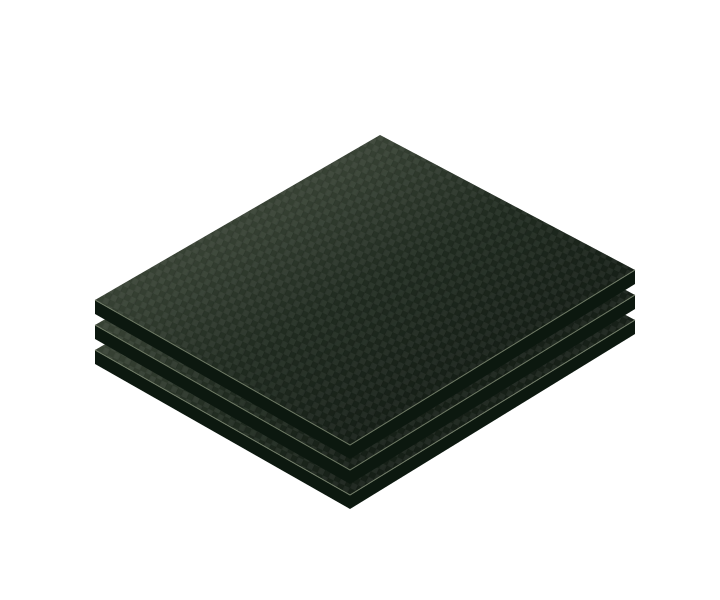 ILLUSTRATION
From sheet material to cut and drilled parts. Share your thickness, outline and finishing requirements.
Sizes & practical guidance ↗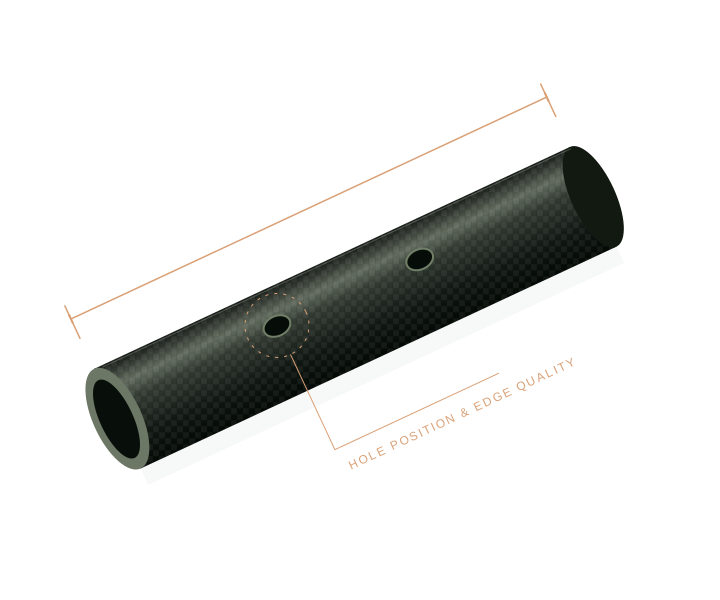 ILLUSTRATED DETAIL / DRILLED TUBE
Bring the cutting and drilling into the conversation early. We can review the features on your drawing alongside the tube or sheet itself.
Our aim is to make carbon fibre easier to source. That starts with an honest conversation about materials, manufacturing and the finished part.
Discuss your application with the people involved in making your parts. Establish what is made in-house and what needs partner support.
Understand the specification, quantity, machining and any tooling costs. Packaging and shipping terms should be clear, too.
Confirm sample requirements, dimensions, appearance and fit. Define any performance tests needed for your application.
Practical explanations of the choices behind a carbon fibre part. Open a note for a short introduction.
Diameter and wall thickness do not tell the whole story. Fibre direction, material selection and manufacturing affect how a tube behaves under load. Tell us whether your application involves bending, twisting, compression or a combination before a structure is agreed.
Read the tube layup guide ↗Inspect both the entry and exit of a drilled hole. Surface fraying and damage beneath the surface are different concerns. Removing a visible burr does not prove that a damaged part has recovered its strength; the application and acceptance requirements still matter.
Explore machining capabilities ↗Compare the sample with the agreed drawing. Check dimensions, hole positions, cut ends and mating parts, and record what was accepted. Appearance alone cannot verify structural performance; agree suitable tests where performance is critical.
Plan your sample checks ↗A drawing, a sketch, or a description of what the part needs to do.
Discuss the specification, quantities, checks and delivery requirements.
Review the agreed details and suitability before committing to a batch.
Produce against the confirmed requirements, then check and pack.
PARTS FOR YOUR APPLICATION
You don’t need a complete specification to start a conversation. Tell us the application and what you know so far.
sales@fibreparts.com ↗